AC Making a Buzzing Noise? What It Means & What It Costs to Fix
A soft, steady hum from a running air conditioner is normal. A loud buzz is not, especially one where the outdoor fan isn't spinning. The most common causes are a failing capacitor ($120 to $400 to replace), a worn contactor ($150 to $400), a struggling fan motor or compressor, or loose parts vibrating. If the unit buzzes but the fan won't turn, shut it off at the thermostat. Running it that way can burn out the compressor.
Typical pro cost
$120 to $700
- Urgency
- Same day if fan won't spin
- DIY difficulty
- Checks only
- Time to fix
- 1 to 2 hours (pro)
- Prices
- US typical range
Last reviewed October 2026
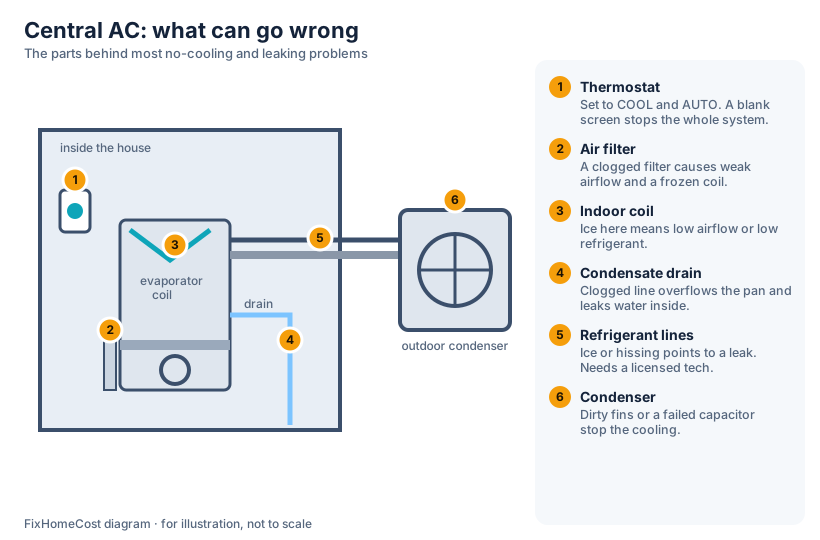
Normal hum or a problem buzz?
Every air conditioner makes some electrical noise. The compressor hums, the fan whooshes, and the contactor clicks once when the unit starts and stops. Here's a simple way to tell what's normal:
- Normal: A low, even hum while the unit is running and cooling, with the fan on top spinning and warm air blowing out.
- Worth a call this week: A louder buzz or rattle that wasn't there last summer, but the AC is still cooling well.
- Turn it off now: Loud buzzing with the fan not spinning, buzzing with no cooling, buzzing when the AC is supposed to be off, or any burning smell.
The "turn it off now" group matters because a compressor that's buzzing but not starting is drawing very high current and heating up fast. Most compressors have a built-in thermal cutout, but letting it cycle on and off like that for hours is a reliable way to kill it.
Where is the buzz coming from?
Outdoor unit
Most buzzing problems live here: the capacitor, contactor, fan motor and compressor are all in the outdoor cabinet. Stand a few feet away while it tries to start and watch the fan.
Indoor unit or furnace
A buzz at the furnace or air handler usually means the blower motor or its capacitor, a humming transformer, or a loose panel vibrating.
Vents and ducts
A buzz or rattle at a vent is usually a loose register, a damper vibrating, or something that fell into the duct. It's rarely serious.
Refrigerant lines
Copper lines touching a wall or each other can transmit a buzz into the house. Foam padding or a re-strap fixes it.
The most common causes of a buzzing AC
Failing capacitor
The top cause. The capacitor gives the compressor and fan the jolt they need to start. When it fails, the motors get power but can't turn, so they buzz. A swollen or leaking capacitor top is a giveaway.
Worn or stuck contactor
The contactor is the switch that turns the outdoor unit on. Pitted contacts buzz and chatter. Ants and other insects love to nest in contactors and jam them.
Fan motor going bad
A fan that hums but spins slowly, or only starts after a push, has a weak capacitor or worn bearings. Without the fan, the unit overheats.
Compressor struggling to start
An aging compressor can buzz for a few seconds and then click off on its thermal protector. A hard-start kit sometimes helps. A failed compressor needs replacing.
Loose parts
Loose screws on the cabinet, a fan guard, or the fan blade itself can turn normal vibration into a buzz or rattle. It's the cheapest fix there is.
Electrical problems
Loose wires, arcing at a connection, or a failing breaker can buzz. Treat any buzzing with a burnt smell as urgent.
Debris in the unit
Sticks, leaves and seed pods inside the cabinet can hit the fan blade or make the motor work harder.
Frozen or low-refrigerant system
Low refrigerant can make the compressor run rough and loud, often with ice on the lines and weak cooling.
What you can safely check
- 1
With the AC calling for cooling, go outside and watch the unit for a minute. Is the fan spinning? Does warm air blow out of the top? Is the buzz constant, or does it start and then click off?
- 2
If it buzzes and the fan isn't spinning, turn the thermostat to "Off" right away. Then pull the disconnect or switch it off. It's usually a gray box on the wall near the unit.
- 3
With the power off, look over the unit. Check for sticks or leaves in the fan, loose screws or panels, and a bent fan guard. Clear debris from the top and sides.
- 4
Look, without touching anything inside, for burn marks, melted wire insulation, an ant nest near the electrical panel, or a capacitor with a domed or leaking top. Take photos for the technician.
- 5
If the buzz is inside at a vent, tighten the register screws. Check the indoor unit's panels are seated properly, and replace the air filter.
Tools and materials
- Flashlight and phone camera
- Screwdriver for cabinet and register screws
- New air filter
Approximate DIY cost: $0 to $40
Call a pro when
- It buzzes but the outdoor fan won't spin
- It buzzes and then clicks off, over and over
- It buzzes when the AC is turned off
- You smell burning or see melted wires
- The breaker trips along with the buzz
Buzzing when the AC is off?
If the outdoor unit buzzes when the thermostat isn't calling for cooling, something is still getting power. It's often a contactor that's stuck or partly stuck, or a thermostat wiring fault that's sending a weak signal. A stuck contactor can also keep the unit running nonstop, even when the house is cold enough. Turn the power off at the disconnect and have a technician look at it. Contactors are an inexpensive part.
Cost to fix a buzzing AC
| Job | Typical cost |
|---|---|
| AC service call or diagnostic | $75–$200 |
| Tighten loose parts, clear debris | $75–$200 |
| Run or start capacitor, installed | $120–$400 |
| Contactor replacement | $150–$400 |
| Hard-start kit, installed | $150–$400 |
| Condenser fan motor replacement | $300–$700 |
| Refrigerant leak repair | $200–$1,600 |
| Compressor replacement | $800–$2,500+ |
Ranges are typical US prices compiled by FixHomeCost from published cost guides. A capacitor and contactor are often replaced together on an older unit, which saves a second visit.
Common questions
Why is my AC buzzing but not turning on?
Most often a failed capacitor. The motors get power but can't start, so they buzz. A stuck contactor or a failing compressor can do the same. Turn the system off and call a technician.
Is it normal for an AC to buzz?
A low, steady hum while it's cooling is normal. A loud buzz, buzzing with the fan stopped, or buzzing when the AC is off is not.
Can a buzzing AC be dangerous?
It can be, if it comes from loose or burning wiring. Buzzing with a burnt smell, scorch marks or a tripping breaker means turn it off and call a pro. A rattle from a loose panel isn't dangerous.
How much does it cost to fix a buzzing AC?
Most fixes cost $120 to $700, like a capacitor, contactor or fan motor. A compressor replacement costs about $800 to $2,500 or more, and it's often covered by a parts warranty.
Why does my AC buzz when it's turned off?
Usually a contactor that's stuck or partly stuck, or a thermostat wiring fault that keeps some power flowing. Switch it off at the disconnect and have it checked.
Can bugs cause an AC to buzz?
Yes. Ants are attracted to electrical contacts and can pile up inside the contactor until it chatters or sticks. A technician can clean or replace it.
Related guides
This is general information, not a professional inspection. Electrical work can be dangerous; hire a licensed professional. See how we research costs.