Water Heater Making Popping Noises? What It Means & How to Fix It
A water heater that pops, rumbles or crackles almost always has a layer of sediment on the bottom of the tank. Water gets trapped under the sediment, turns to steam, and bursts up through it, much like a pot of oatmeal on the stove. It's rarely dangerous. Flushing the tank fixes most cases for about $10 to $20 in supplies, or $150 to $300 if a plumber does it. A tank that's over 10 years old and still pops after a flush is usually close to the end of its life.
Typical pro cost
$150 to $300
- Urgency
- Fix within a few weeks
- DIY difficulty
- Easy to moderate
- Time to fix
- 1 to 2 hours
- Prices
- US typical range
Last reviewed October 2026
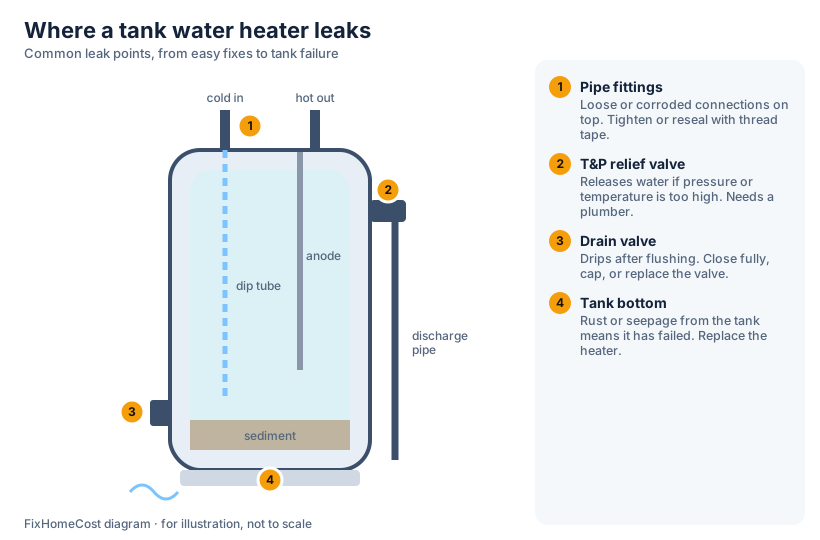
Why your water heater pops
Tap water carries dissolved minerals, mostly calcium and magnesium. When water is heated, some of those minerals drop out and settle as a gritty, sandy layer on the bottom of the tank. In a hard-water area, a tank that has never been flushed can collect several inches of it in a few years.
On a gas water heater, the burner sits right under the bottom of the tank. On an electric heater, the lower heating element sits just above it. Either way, the heat has to pass through that sediment layer. Small pockets of water get trapped under the crust, overheat, flash into steam and force their way up. Each burst is a pop. When lots of them happen at once, it turns into a low rumble.
If you've ever heard a kettle tick and crackle just before it boils, it's the same thing, only louder, because there's a thick mineral layer in the way.
The noise itself is harmless. What it tells you is that the heater is working harder than it should. Sediment acts like a blanket between the flame and the water, so the burner runs longer, your energy bill creeps up, and the steel at the bottom of the tank runs hotter than it was designed to. Over time, that heat stress is one of the main reasons tanks start leaking from the bottom.
Is a popping water heater dangerous?
On its own, no. A tank is not going to explode because it pops. Modern water heaters have a temperature and pressure (T&P) relief valve that opens long before pressure gets anywhere near dangerous.
That said, a few things showing up alongside the popping do need attention soon:
- Water dripping or running from the T&P valve pipe. The tank may be overheating, or the valve may be failing. Turn the heater down and call a plumber.
- Water pooling under the tank. Sediment-cooked steel eventually rusts through. Once the tank itself leaks, it can't be repaired. See water heater leaking.
- Scalding-hot water, or water hotter than the dial setting. A stuck thermostat or gas valve needs a pro.
- A loud screech or whistle, or hissing from the top of the tank. This usually points to a valve or pressure problem, not sediment.
- A smell of gas. Leave the house and call your gas company from outside.
If none of those apply, you have time. Plan to deal with it within a few weeks rather than tonight.
Water heater sound decoder
"Popping" covers a lot of different noises. Here's what each one usually means, based on when it happens and what kind of heater you have.
Popping
Steam bubbles bursting through sediment. Flush the tank.
Rumbling
A thicker sediment layer, so lots of bubbles at once. Flush, and if the tank is old, start budgeting for a new one.
Crackling or sizzling (gas)
Often just condensation dripping onto the burner, especially on a cold tank refill. Normal unless water is pooling.
Crackling or sizzling (electric)
Sediment piled around the lower heating element. Flush, and check the element if hot water runs out early.
Gel-like crackle, cloudy water
Aluminum anode rod reacting with the water. A magnesium or aluminum-zinc rod often fixes it.
Humming (electric)
Water flowing past a heating element. Usually harmless. Tighten the element if the hum is loud.
Ticking
Pipes expanding and contracting, or heat-trap nipples. Harmless, just annoying.
Banging when a tap shuts
Water hammer in the pipes, not the heater. A water hammer arrestor fixes it.
Screeching or whistling
A partly closed valve or a T&P valve under stress. Check that the inlet valve is fully open, and call a pro if it persists.
What makes sediment build up faster
Hard water
The single biggest factor. If you see white crust on your faucets and shower heads, your tank is collecting the same minerals.
Never being flushed
Most tanks are installed and forgotten. Manufacturers recommend a flush once a year, or every six months with hard water.
High temperature setting
Minerals drop out faster in hotter water. Above about 140°F, scale builds quickly and the scald risk climbs too.
A worn-out anode rod
The anode protects the tank from rust. Once it's eaten away, rust flakes add to the debris on the bottom.
Broken dip tube
Older plastic dip tubes can crumble into small white chips that settle in the tank and clog faucet aerators.
Age
A 12-year-old tank has had 12 years to collect sediment. Past a certain point, a flush can't get it all out.
How to fix a popping water heater, step by step
Flushing is the real fix. It takes about an hour, plus time for the water to cool. If the tank is more than 10 years old and has never been flushed, read the warning in the next box before you start.
- 1
Turn the heater off. On a gas model, set the gas control to "Pilot" or "Vacation." On an electric model, switch off its breaker. An electric element that runs in an empty tank burns out in seconds.
- 2
Let the water cool for a few hours, or run a hot tap until it comes out warm instead of hot. Tank water is hot enough to scald.
- 3
Close the cold-water supply valve on the pipe going into the top of the tank.
- 4
Attach a garden hose to the drain valve near the bottom. Run the other end to a floor drain, a utility sink or outside, lower than the valve.
- 5
Open a hot water faucet somewhere in the house so air can get in, then open the drain valve. Let the tank empty.
- 6
With the drain still open, turn the cold supply on and off in short bursts. The rush of water stirs up the sediment that settled. Repeat until the water out of the hose runs clear.
- 7
Close the drain valve, turn the cold supply back on, and leave the hot faucet open until water flows steadily with no sputtering. That means the tank is full.
- 8
Only now turn the power back on, or set the gas control back to "On." Listen during the next heating cycle. Most people notice the difference right away.
Tools and materials
- Garden hose
- Bucket and towels
- Flat screwdriver or pliers for the drain valve
- Optional: a brass drain valve ($10–$25)
- Optional: a water heater descaler for heavy scale
Approximate DIY cost: $10 to $20
Call a pro when
- The drain valve is stuck, clogged or leaking
- Popping is just as loud after a full flush
- There's water around the base of the tank
- The T&P valve is dripping or discharging
- You smell gas, or the pilot won't stay lit after the flush
When a flush doesn't stop the popping
Sometimes the sediment has hardened into a crust that a normal flush can't move. You'll know because the hose runs clear, but the heater still pops just as loudly. You have three options:
- Professional descaling. A plumber circulates a mild acid descaler through the tank to dissolve the crust, then flushes it out. It's worth doing on a tank under about 8 years old.
- Replace the anode rod at the same time. If the rod is down to bare wire, the tank is rusting from the inside. A new rod costs $20 to $50, and replacing it can add years to a tank that's otherwise in good shape.
- Live with it, or replace the heater. Popping on its own won't flood your basement tomorrow. But a heavily scaled tank costs more to run every month, and on an older tank a descale often isn't worth the money.
If you have hard water, the long-term fix is a water softener, or at least flushing every six months. Otherwise the next tank will start popping too.
Cost to fix a popping water heater
| Job | Typical cost |
|---|---|
| DIY flush (hose and supplies) | $10–$20 |
| Professional flush or descale | $150–$300 |
| Anode rod replacement, installed | $70–$200 |
| Replace a plastic drain valve with brass, installed | $100–$250 |
| Electric heating element replacement | $200–$300 |
| Water hammer arrestor, installed | $100–$350 |
| New tank water heater, installed | $882–$1,826 |
Ranges are typical US prices compiled by FixHomeCost from published cost guides. Many plumbers will flush the tank and inspect the anode rod in one visit, which is the best value if the heater is under 8 years old.
Repair or replace? Look at the age first
Most tank water heaters last about 8 to 12 years. To find yours, check the label on the side. Most brands encode the manufacture month and year in the serial number. Search your brand name plus "serial number date" to decode it.
- Under 8 years: Flush it, check the anode rod, and keep going. This is exactly the situation flushing is made for.
- 8 to 12 years: Flush it once. If the popping stops and there's no rust or leaking, enjoy the extra time, but start setting money aside.
- Over 12 years, still loud after a flush, or rusty water: Replace it on your schedule, before it fails on its own and floods the floor.
Our water heater replacement cost guide covers what a new one costs, and tankless vs tank helps if you're thinking of switching.
How to keep it from coming back
- Flush once a year, or every six months if you have hard water. Put a reminder in your phone.
- Keep the thermostat at about 120°F. It's hot enough for most homes, slows scale, and lowers the scald risk.
- Have the anode rod checked every 3 to 4 years, and replace it once it's mostly gone.
- If you have hard water, consider a softener. It protects the heater, your fixtures and your dishwasher.
Common questions
Why is my water heater making a popping noise?
Sediment from hard water settles on the bottom of the tank. Water trapped under it overheats, turns to steam and pops as it escapes. Flushing the tank usually fixes it.
Can a popping water heater explode?
Popping alone won't make a tank explode. The T&P relief valve protects against high pressure. Call a plumber if that valve is dripping or discharging, or if the water is much hotter than the setting.
Is it normal for a new water heater to pop?
Not usually. A brand-new tank shouldn't have much sediment. In very hard water, light popping can start within a year or two. If a new gas heater crackles, it's often just condensation dripping on the burner during the first heat-up.
How much does it cost to fix a popping water heater?
A DIY flush costs about $10 to $20 in supplies. A plumber typically charges $150 to $300 to flush or descale the tank. If the tank is old and badly scaled, a new tank heater costs about $882 to $1,826 installed.
Does vinegar get rid of water heater sediment?
Vinegar can soften light scale if it sits in a drained tank for several hours, but it's slow and doesn't do much for thick crust. Plumbers use a proper descaler, and with any acid, the tank has to be thoroughly flushed afterward.
Why does my water heater still pop after I flushed it?
The sediment has probably hardened into scale that water alone can't move. A professional descale may help on a younger tank. On a tank over about 10 years old, replacing it usually makes more sense.
Related guides
This is general information, not a professional inspection. Gas and electrical work can be dangerous; hire a licensed professional when in doubt. See how we research costs.