AC Smells Like Vinegar? 6 Causes & How to Fix Each One
A sour, vinegar-like smell from your air conditioner usually comes from mold or bacteria growing on the wet indoor coil, in the drain pan, or in a clogged condensate drain line. A new filter and a cleared drain line often fix it for under $30. A professional coil and drain cleaning typically costs $100 to $400. If the smell is sharp, acrid or burning instead of sour, turn the system off. That can be an overheating motor or wiring.
Typical pro cost
$100 to $400
- Urgency
- Within a week; now if acrid
- DIY difficulty
- Easy for filter and drain
- Time to fix
- 30 minutes to 2 hours
- Prices
- US typical range
Last reviewed October 2026
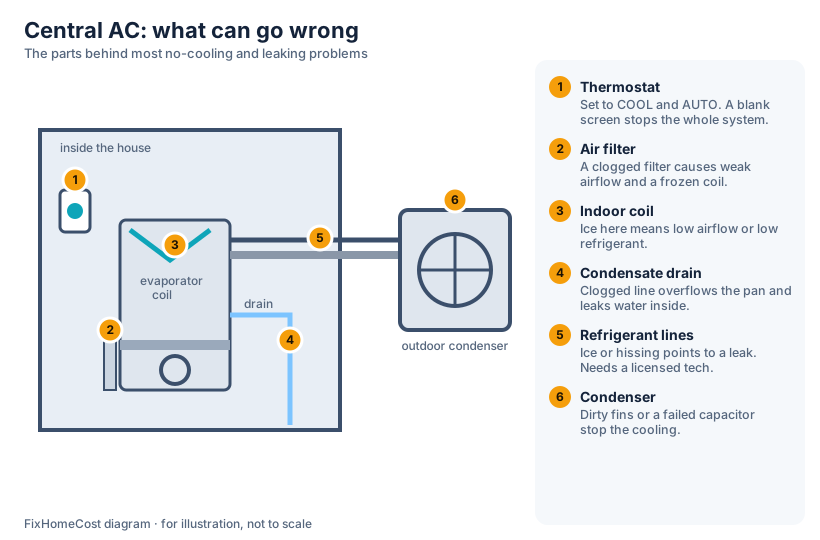
Why an air conditioner can smell like vinegar
An air conditioner is a dehumidifier as much as a cooler. As warm air blows across the cold indoor coil, moisture condenses on the fins, drips into a pan below, and runs out through a drain line. On a humid day that can be several gallons.
So right in the middle of your system sits a cold, wet, dark surface with household dust stuck to it. That's ideal for mold and bacteria. As they grow, they give off acidic compounds, and those smell sour, a lot like vinegar. The AC fan then blows that smell through every vent in the house.
That's why the smell is usually strongest in the first few minutes after the AC kicks on, and why it's worse in humid weather or after the system has sat unused for a while. Heat pump owners sometimes get the same smell when they switch to heating in the fall. It's nicknamed "dirty sock syndrome," and it has the same cause: bacteria on the coil that gets warmed up instead of cooled.
The good news: this is almost always a cleaning problem, not a broken-equipment problem.
First, pin down where the smell is coming from
Two minutes of sniffing around can save a service call. With the AC running:
- Every vent smells the same: The source is at the indoor unit, meaning the coil, drain pan or filter. This is the most common case.
- Only one or two rooms: Look for something local, such as mold in one duct run, a damp spot near that vent, or something in the room itself.
- Strongest at the indoor unit or furnace closet: Check the drain pan and drain line first.
- Only the first 5 to 10 minutes: Classic coil or drain pan growth that gets stirred up when the coil first gets wet.
- Smell with the AC off too: It may not be the AC at all. Vinegar cleaners, pickling, a dehumidifier bucket or a damp basement can all produce the same smell.
The 6 most common causes
1. Mold or bacteria on the evaporator coil
The most common cause. Dust on the wet coil feeds growth that smells sour. A dirty coil also cools less well and can freeze up.
2. Standing water in the drain pan
If the pan doesn't drain fully, or has rusted or cracked, stale water sits under the coil and goes sour within days.
3. Clogged condensate drain line
Slime builds up inside the drain pipe until water backs up. You may also see water around the unit or a tripped float switch.
4. A dirty air filter
A clogged filter traps damp dust right in the airflow, and lets more dust reach the coil. It's the cheapest thing to rule out.
5. Overheating motor or electrical parts
Failing fan motors, capacitors and wiring can give off an acrid, sharp smell that some people describe as vinegar. Treat it as urgent.
6. Ozone or refrigerant (less common)
Some air cleaners and UV systems give off ozone, which smells sharp. A refrigerant leak is usually faint, sweet or chemical, and often comes with weak cooling.
How to fix it, step by step
Work from the cheapest, easiest step to the more involved ones. Many homeowners are done after step 4.
- 1
Turn the system off at the thermostat. If you'll open any panel on the indoor unit, also switch off the furnace or air handler at its service switch or breaker.
- 2
Replace the air filter. If it's gray and matted, you've probably found part of the problem. Put a reminder in your phone to change it every 1 to 3 months.
- 3
Find the condensate drain. It's usually a white PVC pipe from the indoor unit, often with a T-shaped vent and cap near the unit. Remove the cap and pour in about a cup of white vinegar or warm water with a little dish soap. Let it sit for 30 minutes.
- 4
Clear the line from the outside end with a wet/dry vac. Hold the hose over the drain outlet, seal it with a rag, and run the vac for a minute or two. A plug of slime coming out is a very good sign.
- 5
If you can see the drain pan, look for standing water, slime or rust. Sponge out standing water and wipe the pan. A pan that's rusted through or cracked needs replacing by a pro.
- 6
If the coil is easy to reach, spray it with a no-rinse foaming coil cleaner made for indoor coils. The foam drips into the pan and out the drain. Most coils sit inside a sealed cabinet, so this step is often a job for a tech.
- 7
Run the AC for 30 minutes and check the smell. A faint odor that fades over a day or two is normal after cleaning. If it's still strong, book a coil and drain cleaning.
Tools and materials
- New air filter (correct size is printed on the old one)
- White vinegar or mild dish soap
- Wet/dry vac and a rag
- Flashlight
- No-rinse foaming coil cleaner (optional)
Approximate DIY cost: $10 to $40
Call a pro when
- The smell is acrid, burning or electrical
- The coil is inside a sealed cabinet
- The drain pan is rusted, cracked or overflowing
- You see visible mold on the coil, inside the cabinet or in ducts
- The smell comes with weak cooling or ice on the lines
What a technician will do
A typical visit for an AC odor goes like this. The tech checks the filter, opens the coil cabinet, and looks at the coil, pan and drain. They clean the coil with a coil cleaner and sometimes a low-pressure rinse, flush or blow out the drain line, and treat the pan with an algaecide or drain tablets. A good tech will also check the motor and electrical parts while the panels are off, to rule out the more serious causes.
If the coil is heavily caked, or the smell keeps coming back, they may suggest a UV light near the coil, which slows mold and bacteria growth. Duct cleaning only makes sense if there's visible mold or debris in the ducts themselves. It won't fix a dirty coil.
Cost to get rid of an AC vinegar smell
| Job | Typical cost |
|---|---|
| New air filter (DIY) | $5–$40 |
| AC tune-up or service call | $80–$200 |
| Clear a clogged condensate drain line (pro) | $75–$250 |
| Evaporator coil cleaning (pro) | $100–$400 |
| Drain pan replacement | $150–$600 |
| UV light installed near the coil | $300–$1,000 |
| Refrigerant leak repair (if that's the cause) | $200–$1,600 |
Ranges are typical US prices compiled by FixHomeCost from published cost guides. A coil cleaning is often cheapest when combined with a spring tune-up.
How to stop the smell coming back
- Change the filter every 1 to 3 months during cooling season, and monthly if you have pets.
- Flush the condensate drain with a cup of vinegar at the start of summer and once mid-season.
- Get a tune-up each spring that includes a look at the coil and drain pan.
- Keep indoor humidity around 40 to 50%. A system that short-cycles doesn't run long enough to dry the coil.
- If you set the thermostat fan to "On" all the time, try "Auto." A constantly running fan re-evaporates water from a wet coil and can make the smell worse.
Water around the indoor unit as well? See AC leaking water inside. If your system uses a pump to move the water, see condensate pump not working.
Common questions
Why does my house smell like vinegar when the AC turns on?
Usually mold or bacteria are growing on the wet indoor coil, in the drain pan or in the drain line. The smell is strongest in the first minutes after the AC starts, when air first moves across the damp coil.
Is a vinegar smell from the AC dangerous?
A sour, musty smell isn't an emergency, but mold can bother people with allergies or asthma, so deal with it soon. A sharp, burning or electrical smell can mean an overheating part. Turn the system off and call a tech.
Can a refrigerant leak smell like vinegar?
It's possible but uncommon. Most home refrigerants have little smell. When people do notice one, it's usually faint and sweet or chemical. A leak usually also causes weak cooling or ice on the refrigerant lines.
How much does it cost to fix an AC that smells like vinegar?
Often under $40 if a new filter and a cleared drain line solve it. A professional coil and drain cleaning typically costs $100 to $400.
Will the vinegar smell go away on its own?
It may fade in drier weather, but it usually returns, because the growth is still there. Cleaning the coil, pan and drain is the only lasting fix.
What is dirty sock syndrome?
It's a sour, sock-like smell from a heat pump or AC, often when heating starts in the fall. Bacteria on the indoor coil cause it, and cleaning the coil fixes it.
Related guides
This is general information, not a professional inspection. See how we research costs.