Efflorescence on Basement Walls: What the White Powder Means & How to Fix It
The white, chalky powder on concrete or block basement walls is efflorescence. It's salt left behind when water soaks through the wall and evaporates. It isn't mold and it isn't harmful, and you can brush it off in minutes. What matters is that it shows water is moving through your foundation. Fixing the water source can cost almost nothing, like a $15 downspout extension, or run into the thousands for drainage. Where the white marks appear on the wall usually tells you which.
Typical fix cost
$15 to $3,000
- Urgency
- Plan within a few months
- DIY difficulty
- Easy to clean
- Time to clean
- Under an hour
- Prices
- US typical range
Last reviewed October 2026
What efflorescence is, in plain terms
Concrete, concrete block, brick and mortar all contain natural salts. When water gets into the wall, from wet soil outside, a leak, or just humidity, it dissolves some of those salts and carries them toward the inside surface. When the water reaches the air in your basement and evaporates, the salt stays behind as a fluffy or crusty white deposit.
That's all it is. The word comes from French and means "to flower out," which is a good description of how it looks when it's fresh: soft, feathery crystals that sit on the surface.
Brand-new homes often get a round of it in the first year or two as the concrete dries out. Builders call that "new building bloom," and it usually fades on its own. Efflorescence that keeps coming back in an older home is different. It means water keeps reaching that spot.
Efflorescence or mold? A 30-second test
White mold exists, and from a few feet away it can look a lot like efflorescence. The difference matters, because one is a cosmetic salt deposit and the other is a health and cleanup issue. Here's how to tell:
- Spray it with water. Efflorescence dissolves or disappears within seconds. Mold stays put, or just mats down.
- Rub it between your fingers. Efflorescence feels gritty or powdery, like dried salt, and crumbles to dust. Mold feels soft or fuzzy and may smear.
- Look at what it's growing on. Efflorescence only forms on masonry: concrete, block, brick and mortar. White fuzz on wood, drywall, carpet backing or cardboard boxes is mold.
- Smell it. Efflorescence has no smell. Mold usually smells musty.
If you find mold, efflorescence is often nearby, because they both need moisture. Treat the moisture problem and deal with the mold separately. See our guide to a damp basement.
Read the pattern: where it shows up tells you why
This is the most useful thing you can do before spending any money. Stand back and look at where the white marks are on the wall. Efflorescence draws a map of where water is getting in.
A band along the bottom 1–2 feet of the wall
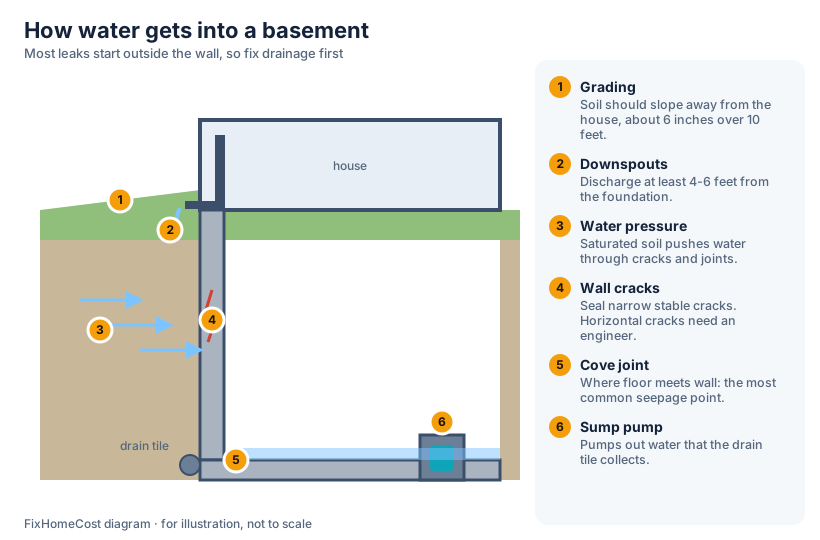
Groundwater pressing against the footing, or water at the floor-wall joint. Check grading and downspouts first. If it persists, interior drainage may be needed.
Under a basement window
A window well that fills with water, or a leaky window frame. Clean the well and add a drain or cover.
A vertical or diagonal line
Water coming through a crack. Crack injection usually fixes it.
Near the top of the wall
Overflowing gutters, a short downspout, or soil and mulch piled above the foundation line. Usually cheap to fix.
Along the mortar joints of a block wall
Water moving through the hollow block cores. Common after heavy rain, and often traced to drainage outside.
Faint and spread evenly over the whole wall
Moisture vapor from the soil plus high basement humidity. A dehumidifier and better grading often help.
Only on one wall
Look directly outside that wall for a downspout, a low spot, a patio that slopes toward the house, or a sprinkler head.
Is efflorescence a serious problem?
The powder itself isn't. It won't hurt you, it won't eat through the wall, and it's not a structural defect. Many basements have a little and are perfectly sound. Think of it as a warning light, not the problem itself.
It's worth more attention when you also see any of these:
- Flaking, pitting or crumbling concrete. When salts crystallize inside the surface instead of on it, they can pop off small flakes. This is called spalling. It's slow, but it does damage the wall over time.
- Paint or waterproof coating bubbling and peeling. Water and salt are pushing it off from behind. More coating won't fix it.
- Actual wet spots, dripping or puddles after rain. You've moved from damp to leaking. See basement leak repair.
- Cracks wider than about 1/8 inch, or walls bowing inward. That's a foundation question, not an efflorescence question. See foundation crack repair.
- Musty smells or mold on nearby wood or stored items. The moisture level is high enough to cause other problems.
How to remove efflorescence from basement walls
Cleaning takes minutes. Just remember that cleaning alone won't stop it coming back if water is still getting through.
- 1
Wear a dust mask and safety glasses, and lay down a drop cloth or old towel along the base of the wall.
- 2
Scrub the deposit off with a stiff dry brush. A nylon brush is fine for most walls. Use a wire brush only on bare, sound concrete or block. Most fresh efflorescence comes right off.
- 3
Vacuum up the dust with a shop vac so it doesn't get tracked around.
- 4
For anything left behind, scrub with a cloth barely dampened in a 50/50 mix of white vinegar and water, then wipe with a clean damp cloth. Keep it as dry as you can.
- 5
For thick, hard crusts that won't budge, use a masonry efflorescence remover from a hardware store and follow the label. Avoid straight muriatic acid unless you're experienced with it. It's harsh on skin, lungs and concrete.
- 6
Write the date on a piece of tape near the spot, or take a photo. If the white comes back within weeks, water is still actively reaching that area, and that's your signal to fix the source.
Tools and materials
- Stiff nylon or wire brush
- Shop vac
- Dust mask and safety glasses
- White vinegar and a cloth
- Masonry efflorescence remover (optional)
Approximate DIY cost: $10 to $40
Call a pro when
- Concrete is flaking, crumbling or spalling
- There's water on the floor after rain
- Cracks are wider than 1/8 inch or growing
- Walls are bowing, leaning or bulging
- The efflorescence keeps returning after you've fixed gutters and grading
How to stop it coming back
Start outside and work your way in. The cheapest fixes solve a surprising number of basement moisture problems.
1. Gutters and downspouts
Clean the gutters and extend every downspout at least 4 to 6 feet from the house. This one fix solves more basement moisture than anything else.
2. Grading
Soil should slope away from the house, dropping about 6 inches over the first 10 feet. Settled soil, flower beds and mulch piles often slope the wrong way.
3. Window wells
Clear out leaves and debris, make sure there's gravel and a drain at the bottom, and add a clear cover.
4. Basement humidity
Keep it between about 30% and 50% with a dehumidifier. A cheap hygrometer ($10–$15) tells you where you stand.
5. Cracks
A single leaking crack can be sealed with polyurethane or epoxy injection, usually from the inside.
6. Drainage, if all else fails
Persistent water at the bottom of the wall may need interior drain tile and a sump pump, or exterior waterproofing.
For step-by-step help with the outside fixes, see basement leaks when it rains.
Cost to fix efflorescence and the moisture behind it
| Job | Typical cost |
|---|---|
| DIY cleaning supplies | $10–$40 |
| Downspout extension, each | $10–$30 |
| Portable dehumidifier | $200–$400 |
| Window well drain and cover | $150–$600 |
| Regrading soil around the house | $500–$3,000 |
| Crack injection, per crack | $200–$1,000 |
| Whole-basement dehumidifier, installed | $1,200–$3,000 |
| Interior drain tile, per linear foot | $50–$100 |
| Exterior waterproofing, per linear foot | $100–$200 |
Ranges are typical US prices compiled by FixHomeCost from published cost guides. Be wary of any company that recommends a full drainage system for light efflorescence before anyone has looked at your gutters and grading. See our basement waterproofing cost calculator for bigger jobs.
Common questions
What is the white powder on my basement walls?
It's almost always efflorescence: salt carried out of the concrete by water and left behind when the water evaporates. Spray it with water. If it dissolves, it's efflorescence. If it stays fuzzy, it may be mold.
Is efflorescence harmful to breathe?
No. It's mineral salt, not mold. It's still a good idea to wear a dust mask while brushing it off, as with any dust.
Does efflorescence mean my foundation is failing?
No. It means water is moving through the wall, not that the wall is failing. Look for structural signs separately: wide or growing cracks, bowing walls, or crumbling concrete.
Will vinegar remove efflorescence?
Yes, a 50/50 mix of white vinegar and water dissolves light deposits after you dry brush. Use as little liquid as possible and wipe it down afterward.
Can I paint over efflorescence?
Not until the moisture source is fixed. Salt and water building up behind the paint will push it off. Fix the outside drainage, clean the wall, wait to see it stay clean, then paint.
Why does efflorescence keep coming back?
Water is still reaching the wall, so it keeps carrying new salt to the surface. Check gutters, downspouts, grading and window wells on that side of the house first.
Related guides
This is general information, not a professional inspection. See how we research costs.